Perimenopause vaginal changes are caused by fluctuating and declining oestrogen, which can leave vaginal and urinary tissues drier, thinner and more easily irritated, often months or years before your periods stop.
If sex has started to hurt, you feel a constant itch or burn, or you keep getting urinary symptoms, you are not imagining it and you have not done anything wrong. These changes are physiological, not a sign of poor hygiene or lost desire.
The good news is that most of them respond to simple, well-established care. The key is knowing which symptoms are hormonal and which need a doctor to look deeper.
Key Takeaways
- Perimenopause can cause dryness, burning, itching, painful sex and urinary symptoms, and these may come and go as hormones fluctuate.
- Moisturisers and lubricants are sensible first steps, while low-dose vaginal oestrogen may suit many women after a doctor’s assessment.
- Bleeding after sex, bleeding between periods, foul-smelling discharge or persistent pain need medical evaluation, not self-treatment.
- Laser “rejuvenation” is a cosmetic option that should not replace a proper diagnosis or established treatments.
Your Body Is Not Broken
Perimenopause is the transition before menopause, when oestrogen rises and falls unpredictably. Menopause itself is confirmed only after 12 months without a period, so you can have vaginal symptoms while still menstruating.
Oestrogen helps keep vaginal tissue plump, elastic and moist. As levels drop, the tissue can thin, the vaginal pH rises and protective lactobacilli bacteria may decrease, which can make irritation and infections more likely.
Doctors often group these changes, together with urinary symptoms, under the term genitourinary syndrome of menopause (GSM). It is usually discussed in postmenopausal women, but symptoms can begin much earlier.
The Changes Nobody Mentions
Dryness, burning and itching
Less natural lubrication can cause rawness, stinging or itching, sometimes even without sex. Symptoms may be worse in some weeks than others.
Painful sex and altered sensation
Thinner, less elastic tissue may cause pain on penetration or a feeling of tightness. Some women notice vulval irritation or changed sensation, and pelvic floor muscles can tense up in response to pain, adding to the problem.
Urinary urgency and recurrent UTIs
The urinary tract also responds to oestrogen. You may feel a sudden urge to pass urine or get repeated urinary tract infections.
Lower desire
When sex is uncomfortable, wanting it understandably fades. Treating the discomfort can sometimes help, though desire has many influences.
What Helps Perimenopause Vaginal Changes
Think of care as a ladder. Most women start with the lower rungs and move up with guidance from a clinician.
Avoid fragranced washes, douches and scented wipes, which can worsen irritation. Plain water or a gentle, unscented cleanser is usually enough for the vulva.
Vaginal oestrogen uses small doses delivered locally. It may not suit everyone, particularly if you have unexplained bleeding or a history of hormone-sensitive cancer, so a clinician’s assessment matters.
What About Laser Treatments?
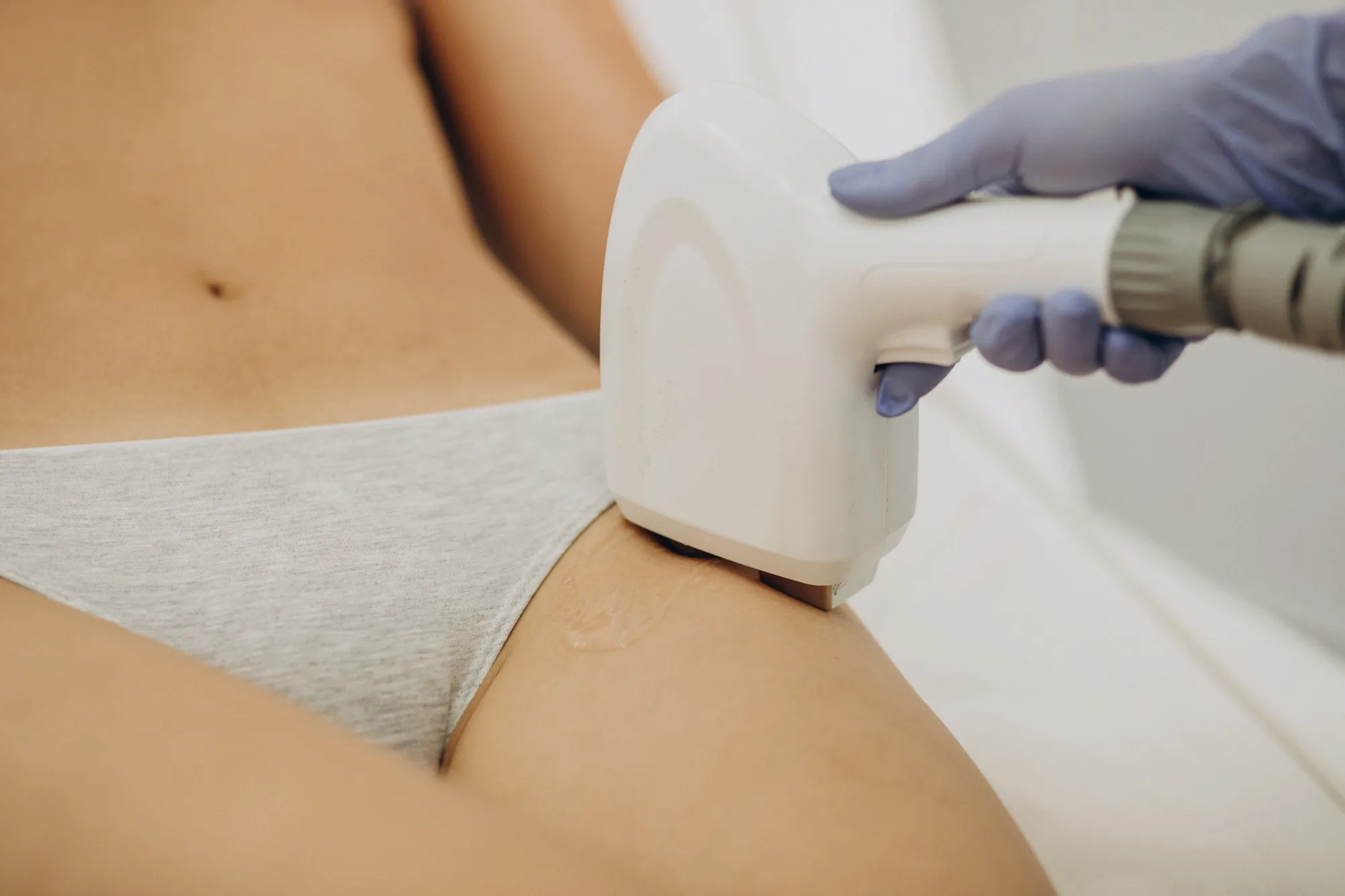
Laser vaginal rejuvenation is widely advertised in Malaysia, which makes it easy to compare clinics at a glance rather than look at what you actually receive. A better way to judge it is by value: the thoroughness of the assessment, the technology used, the provider’s experience and how well the plan fits your symptoms.
It is a cosmetic gynaecology option, not automatically better than established treatments such as moisturisers or vaginal oestrogen. Good value means clear answers about what evidence supports it for your symptoms, what the risks are and how many sessions you may need, along with the follow-up care that comes with it.
Most importantly, get a diagnosis first. Dryness, pain and discharge can come from infections, skin conditions or other causes that no laser will fix.
Do Not Wait If You See This
Some symptoms should not be put down to hormones. See a doctor promptly if you notice:
- Bleeding after sex or between periods
- Unusually heavy bleeding
- Foul-smelling or unusual discharge
- Persistent pelvic or vaginal pain
- Urinary symptoms that keep returning
These can have causes unrelated to perimenopause, and early assessment gives you clearer answers and safer treatment.
If intimate changes are affecting your comfort, relationships or confidence, speaking with a women’s health clinician is a practical next step. They can examine you, rule out other conditions and discuss options that suit your history and preferences.
Visit Premier4Her to book a private consultation with our doctors whenever you feel ready.