An intimate whitening treatment is a cosmetic procedure that targets darker pigmentation in delicate areas such as the vulva, perineum, inner thighs or underarms, using laser or clinic-grade lightening methods to even out skin tone.
It has quietly become one of the more searched aesthetic treatments among Malaysian women, especially brides-to-be and new mothers.
Key Takeaways
- Intimate whitening treatments aim to lighten pigmentation in areas like the vulva, perineum, inner thighs and underarms, usually for cosmetic and confidence reasons.
- Clinic-based options include laser treatments and controlled chemical peels, which differ significantly from unregulated over-the-counter whitening creams.
- Darker intimate skin is a normal variation influenced by genetics, hormones and friction, not a medical problem that requires fixing.
- A proper consultation, patch test and realistic expectations matter more than chasing dramatic before-and-after results.
What Happens During Treatment
Intimate whitening treatment works by targeting excess melanin in the skin of intimate areas. Melanin is the pigment responsible for skin colour, and it tends to build up more in areas that experience friction, hormonal changes or pregnancy-related shifts.
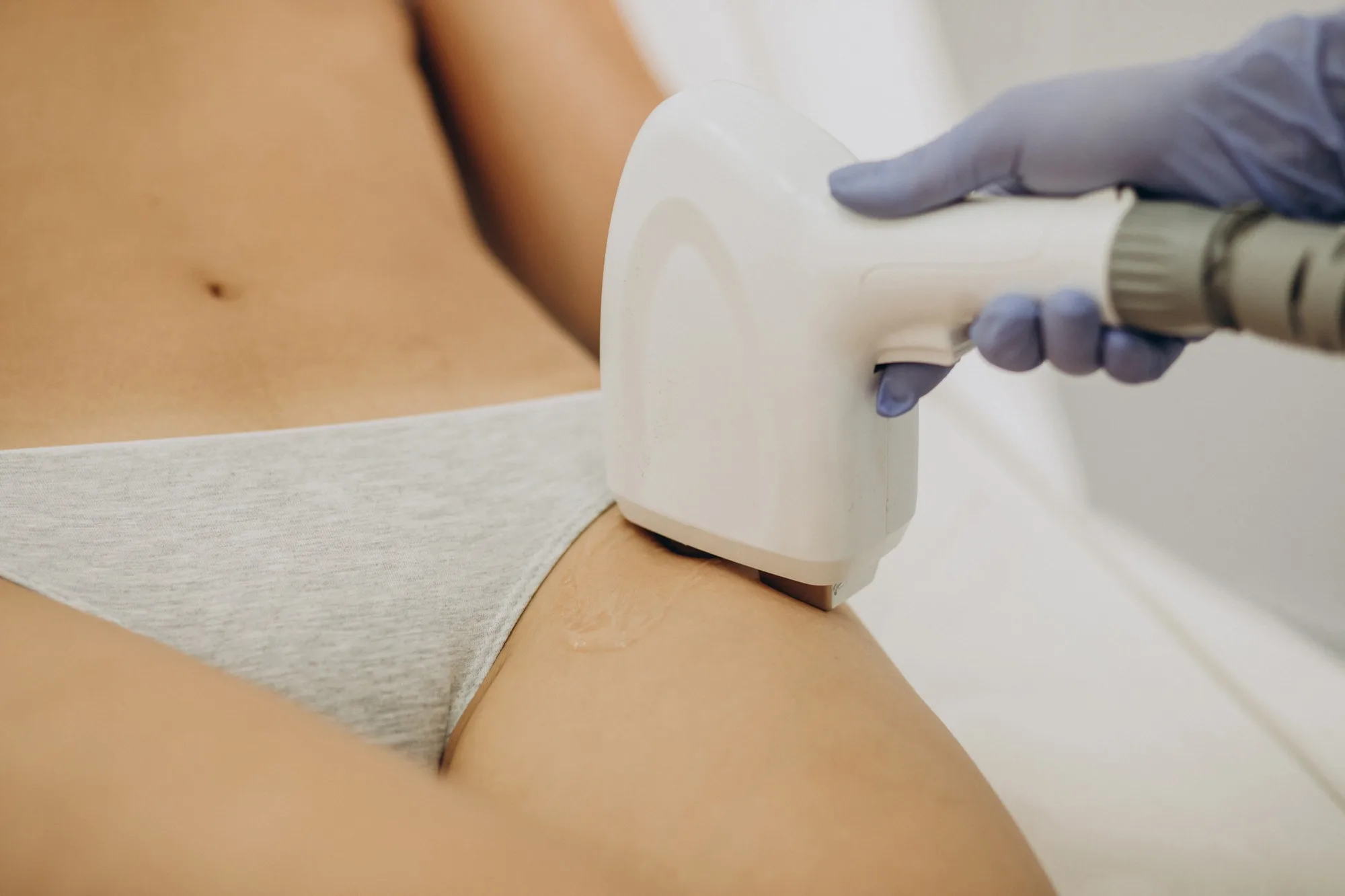
Clinic-based treatments typically use laser energy to gently address the outer layer of pigmented skin, encouraging it to reveal a more even-toned layer underneath over subsequent sessions. Some clinics also offer non-laser options that rely on carefully formulated topical ingredients rather than energy-based devices.
These sessions are usually done under professional supervision, which is a very different experience from applying an unregulated cream at home.
Why Darker Skin Tone Is Completely Normal
Darker pigmentation in intimate areas is completely normal. Genetics play a large role, and so do hormonal changes during puberty, pregnancy and ageing.
Friction from shaving, tight clothing or daily movement can also darken skin over time, particularly in areas like the underarms, groin and inner thighs. None of this indicates poor hygiene or a health issue.
Understanding this matters because it shifts the decision from “something is wrong with me” to “this is a personal aesthetic choice”, which is a healthier place to start from before considering any intimate whitening treatment.
Laser vs Cream: What Sets Them Apart
Not all intimate whitening approaches are created equal. Laser-based treatments performed in a clinic setting are generally designed with delicate skin in mind, using calibrated energy levels and professional oversight.
Over-the-counter whitening creams are a different story altogether. Many contain hydroquinone, steroids or harsh bleaching agents that were never intended for such sensitive skin, and there have been documented cases of burns, scarring and allergic reactions linked to their misuse.
If you are considering intimate whitening, doing it under professional guidance is a meaningfully different experience from experimenting with products bought online.
Who Seeks Out This Treatment
There is no single profile of a person who seeks out intimate whitening treatment, but a few common situations tend to come up in consultations.
Many women look into intimate area treatments in the months leading up to their wedding as part of a broader confidence and grooming routine. Pregnancy and childbirth can cause noticeable pigmentation changes, and some women want support in feeling comfortable in their skin again afterwards.
Regular shaving, waxing or tight clothing can gradually darken areas like the underarms or inner thighs, prompting interest in evening out the tone. Some women are simply curious after hearing about it from friends or online, and want an honest consultation before deciding.
Whatever the reason, a proper assessment should always come before any decision, since suitability depends on skin condition, medical history and individual expectations.

Questions to Ask Before Booking
Intimate whitening is not a one-size-fits-all solution, and it is not something to rush into without understanding the basics.
Have you had a proper consultation?
A qualified practitioner should assess your skin, medical history and any existing conditions before recommending a treatment plan.
Do you understand it usually takes multiple sessions?
Visible changes typically build up gradually rather than happening after one visit.
Are you currently dealing with any infection or skin irritation in the area?
This is usually a reason to postpone treatment until it clears up.
Are your expectations realistic?
Results vary from person to person depending on skin type, pigmentation depth and how the body responds.
If you can answer these honestly and still feel curious, you are in a good position to have a proper conversation with a clinic rather than making a decision based on marketing alone.
Intimate whitening treatment is a personal choice, not a necessity, and understanding how it works helps you decide if it is genuinely right for you. If you would like to discuss your skin concerns with a professional and get an honest, personalised assessment before deciding on anything, Premier 4 Her offers consultations to help you understand your options clearly.
If you would like to discuss your skin concerns with a professional and get an honest, personalised assessment before deciding on anything, Premier 4 Her offers consultations to help you understand your options clearly.